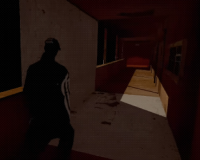
Cry of Fear presents a psychological horror experience built around isolation, limited resources, and constant uncertainty. From the very beginning, the game places the player in a distorted version of a city where familiar locations feel hostile and unsafe. Progress is slow and tense, with every step forward requiring caution. Instead of relying on fast action, the game focuses on atmosphere and mental pressure, making exploration itself feel dangerous.
World Design And Player Perspective
The environment in Cry of Fear is structured to create discomfort through narrow spaces, poor lighting, and unexpected transitions. Streets, apartments, and underground areas are connected in ways that feel disorienting, forcing players to rely on memory rather than maps. The first-person perspective strengthens immersion and limits awareness, making it difficult to predict what lies ahead. Movement is intentionally restrained, which increases vulnerability and heightens tension during exploration.
Core Gameplay Elements
Throughout the game, players interact with several systems that define the overall experience:
- Exploration of interconnected urban locations
- Limited ammunition and healing items
- Puzzle-solving to unlock new areas
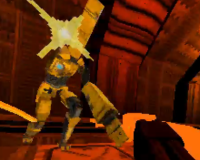
- Encounters with hostile entities
- Inventory management with restricted space
These mechanics work together to slow the pace and encourage careful decision-making. Every item matters, and using resources at the wrong moment can make later sections significantly harder.
Narrative And Psychological Focus
Rather than presenting a traditional story through cutscenes, Cry of Fear reveals its narrative through environments, notes, and visual cues. The story explores themes of fear, isolation, and mental struggle, often blurring the line between reality and hallucination. The player gradually uncovers fragments of meaning, which makes the experience feel personal and unsettling. The lack of clear explanations adds to the sense of confusion and emotional tension.
Sound design plays a central role in shaping the mood. Distant noises, distorted effects, and sudden silence contribute to a constant sense of unease. Music is used sparingly, allowing ambient sounds to dominate most areas. This approach keeps players alert, as even small audio changes can signal danger. Combined with dark visuals, the audio design reinforces the psychological weight of the experience.































































Advertisement