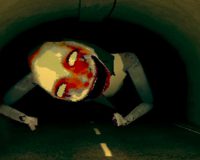
Devil In White is a psychological horror game built around routine, obedience, and quiet tension. The player takes the role of a doctor working inside a strictly controlled medical facility where every action feels monitored. At the beginning, the environment appears calm and structured, giving the impression of order and professionalism. As the game progresses, however, small inconsistencies begin to surface, suggesting that the work being done may not be as harmless as it seems. The experience focuses on reflection rather than reaction, allowing the player to slowly realize the weight of their actions.
Daily Tasks And Player Perspective
Gameplay in Devil In White revolves around repeating a set of tasks that form the doctor’s daily routine. The player walks through corridors, interacts with patients, and follows instructions without question. There are no combat mechanics or puzzles, which places full attention on observation and decision-making. The simplicity of the actions contrasts with the emotional weight they carry, making the routine itself feel unsettling. Over time, the player begins to notice subtle changes in behavior, tone, and atmosphere that suggest something deeper is happening.
Narrative Progression Through Choice
The story develops through indirect storytelling rather than direct exposition. The player is never explicitly told what is right or wrong, but their actions influence how the narrative feels. Certain moments encourage reflection, especially when familiar tasks begin to feel uncomfortable. Throughout the experience, players engage with:
- repeated medical procedures
- patients who react differently over time
- environments that shift in small but meaningful ways
- instructions that become harder to justify
- moments that challenge personal responsibility
These elements allow the story to unfold naturally, encouraging players to interpret events based on their own perspective.
Atmosphere And Psychological Tension
Devil In White creates unease through restraint rather than shock. Sound design is minimal, making footsteps, doors, and silence feel heavy. The clean visual style adds to the discomfort, as the lack of clutter or chaos contrasts with the growing sense of dread. Lighting is used carefully to guide attention while maintaining a sterile, controlled mood. The result is a slow-building tension that never fully releases, keeping the player uneasy throughout the experience.
Structure And Game Flow
The game is designed to be completed in one sitting, with a linear structure that reinforces its narrative focus. There are no side paths or optional content, ensuring that attention remains on the core experience. The pacing is deliberate, allowing time to absorb each interaction and its implications. This controlled flow supports the psychological tone and prevents distractions from weakening the impact of the story.





























































Advertisement