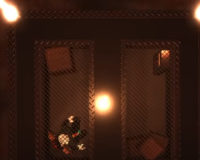
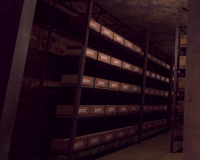
DON’T SLEEP is a first-person horror game that places the player in a confined indoor space during a single night. The main condition of survival is remaining awake while threats emerge from the surrounding darkness. The game removes traditional objectives, interfaces, and guidance, leaving the player to understand the rules through experience. Progress is tied to time passing rather than exploration, and the environment remains limited throughout the session.
Concept and Structure
The concept of DON’T SLEEP is built around sustained vigilance. The player is not told what will happen if attention slips, but consequences become clear through repeated exposure. The night advances continuously, and the space becomes increasingly unsafe. There is no narrative delivered through text or dialogue. Instead, the situation is defined by the relationship between the player, the environment, and the threats that react to behavior. This structure prioritizes learning through repetition rather than instruction.
Interaction and Control
Player interaction is restricted to basic movement and observation. The player can reposition within the room, adjust their viewpoint, and remain still when necessary. There are no tools, weapons, or items that alter the state of the threats. Decisions are limited but meaningful, as movement at the wrong moment can trigger danger. The lack of complex controls keeps focus on timing and awareness rather than mechanical skill.
Key interaction components include:
- moving within a small indoor area
- choosing when to stay still or relocate
- observing changes in light and shadow
- responding to sound-based warnings
- enduring until the night concludes
These elements form a loop based on restraint and careful decision-making.
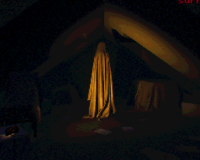
Threats in DON’T SLEEP are not presented as visible enemies with defined patterns. They often remain unseen, suggested through sound, movement in darkness, or peripheral visual changes. Their behavior reacts to the player’s position and timing rather than following predictable routes. This design removes the possibility of planning fixed strategies and instead requires constant reassessment of safety.
Environmental Design
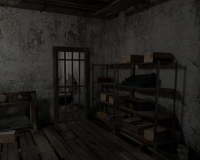
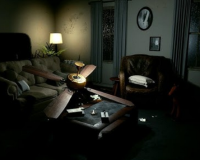
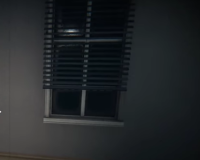
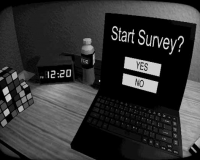
The environment is deliberately simple and familiar, often resembling a bedroom or similar enclosed space. This familiarity makes small changes easier to detect and increases tension when expected details shift. Lighting is limited and uneven, creating areas of partial visibility. The game avoids visual clutter, ensuring that any change in the environment feels intentional and noticeable.



























































Advertisement