Don’t Stay Awake is a short first-person horror experience that centers on a single night inside a familiar home environment. The player takes the role of a child who refuses to go to sleep, choosing instead to remain awake and explore the house. At the beginning, nothing seems out of place, and the setting feels calm and ordinary. There are no instructions or clear goals, so the player is guided only by curiosity and subtle environmental cues.
Limited Interaction and Player Control
The control scheme is intentionally simple, allowing the player to move, look around, and interact with a few highlighted objects. There is no inventory system, no combat, and no dialogue choices. Every interaction is brief and contextual, which keeps attention on the surroundings rather than on mechanics. Because options are limited, the player becomes more aware of changes in sound, lighting, and object placement as the experience progresses.
Use of Space and Timing
The entire game takes place inside the same house, but the meaning of each room changes over time. Areas that felt safe early on may later feel uncomfortable due to small but noticeable alterations. Timing plays a key role, as some events occur only after the player waits or moves away from a location. The game encourages slow movement and careful observation rather than constant exploration.
In the middle of the experience, the player frequently encounters:
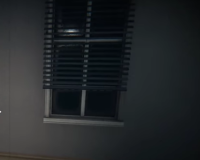
- quiet movement through dimly lit rooms
- environmental changes without explanation
- short interaction prompts
- sudden visual or audio interruptions
- progression triggered by presence or delay
Event-Driven Progression
Progression in Don’t Stay Awake is entirely event-based. Instead of solving puzzles, the player activates scripted moments by being in the right place at the right time. These moments are not announced in advance, which creates uncertainty about what action caused them. Failure is immediate and restarts the experience, reinforcing the need to stay alert and move carefully through the sequence.













































Advertisement