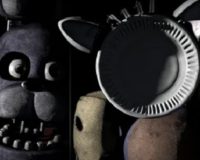
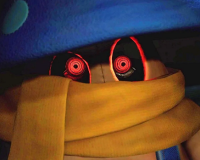
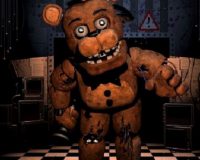
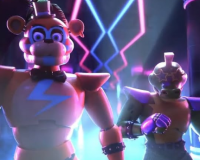
Freddy’s Reanimated is a horror game that focuses on tension created through observation and limited control. The player is placed in a confined security room with the task of surviving several nights while hostile animatronics move through the building. There is no exploration or combat, only awareness and timing. From the beginning, the game establishes a sense of pressure by forcing the player to rely on incomplete information and delayed reactions.
Surveillance-Based Gameplay
The core mechanic revolves around monitoring cameras and reacting to threats before they reach the office. Unlike many horror games, movement is not controlled directly. Instead, the player must switch between camera feeds, track enemy positions, and make decisions with limited time. Each action carries risk, as focusing too long on one area can allow danger to approach from another. This creates a constant mental load where attention management becomes the main challenge.
Key Gameplay Systems
Throughout each night, several mechanics define how the experience unfolds:
- Switching between camera feeds to track movement
- Reacting to audio and visual cues
- Blocking or delaying enemies at the right moment
- Managing limited time and attention
- Surviving until the end of the shift
These systems work together to create tension without relying on movement or combat. Success depends on awareness, memory, and the ability to stay calm under pressure.
Atmosphere And Presentation
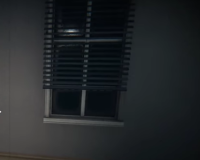
The visual style of Freddy’s Reanimated is designed to feel claustrophobic and unsettling. Lighting is minimal, camera feeds are grainy, and the environment feels empty yet threatening. Sound plays a major role, often signaling danger before it becomes visible. Small audio changes can indicate movement, forcing the player to react quickly. The restrained presentation makes every mistake feel significant.
Difficulty And Progression
As nights progress, enemy behavior becomes less predictable and more aggressive. Patterns that worked earlier may fail later, requiring players to adapt their strategy. There are no upgrades or shortcuts, only improved understanding of timing and behavior. This gradual increase in difficulty keeps tension high while rewarding experience and focus rather than reflexes.


















































Advertisement