Kacipbara is a short horror experience built around curiosity and gradual tension. The game places the player in a rural setting where routine tasks quickly begin to feel unfamiliar. At the start, everything appears calm and predictable, giving the impression of a simple daily activity. As the player continues, however, the environment starts to change in subtle ways that suggest something is not right. The game avoids direct explanations and instead allows the situation to unfold naturally through exploration.
Environment And Player Interaction
The core gameplay of Kacipbara focuses on movement and interaction with the surroundings. The player walks through a small area, examining objects and triggering events by approaching certain locations. There are no weapons, combat systems, or complex mechanics. Progress depends entirely on paying attention to what changes in the environment. This design encourages slow movement and careful observation, making each action feel intentional rather than automatic.
Story Development Through Observation
The narrative in Kacipbara is revealed through visual and environmental cues instead of dialogue or text-heavy storytelling. As the player continues, the atmosphere shifts and new details appear that alter the meaning of earlier actions. The game encourages players to connect these moments on their own. During a playthrough, players typically experience:
- changes in familiar areas after certain actions
- objects that suggest something happened earlier
- moments that alter the tone of the environment
- choices that influence how events conclude
- visual hints that build tension without explanation
These elements work together to form a story that feels personal and open to interpretation.
Visual Style And Atmosphere
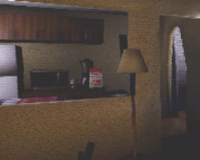
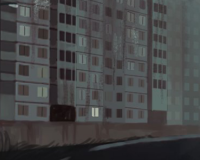
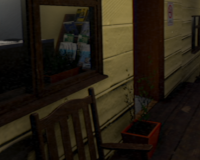
Kacipbara uses a simple visual style that supports its unsettling tone. The low-poly design keeps the focus on movement and lighting rather than detail. Sound plays an important role, with silence often creating more tension than music. Subtle audio cues help guide the player’s attention and reinforce the feeling that something is wrong. The environment feels familiar enough to be believable, yet strange enough to remain uncomfortable.
Endings And Replay Value
One of the key features of Kacipbara is its multiple endings. Depending on how the player acts and what they choose to interact with, the story can conclude in different ways. This encourages replaying the game to see how alternative decisions change the outcome. The short length of the experience makes this easy, allowing players to explore every possibility without repetition becoming tedious.






























































Advertisement