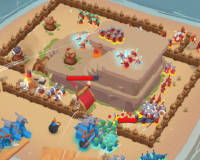
KARDS is a turn-based digital card game where players compete using decks inspired by World War II military forces. Each player represents a nation and commands units, actions, and tactical responses through cards. The focus is on strategic planning rather than quick reactions, as every turn gives time to evaluate the battlefield and available resources. Matches are self-contained and reset completely after completion, keeping long-term progression separate from individual games.
Strategic Deck Planning And Preparation
Before entering a match, players create a deck that defines their overall approach. Decks are centered on one main nation, with the option to include an allied nation for additional support. Each card represents either a unit that stays on the field or an order that creates an immediate effect. Building a functional deck requires balancing cost, utility, and synergy. Poor preparation often limits options later in a match, making deck construction a critical part of gameplay rather than a cosmetic choice.
Turn Structure And Battlefield Control
The battlefield in KARDS is divided into rows that represent different engagement zones. Units are deployed to rear positions and can later move forward to contest the front line. A shared resource system determines how many cards can be played each turn, with available resources increasing gradually. This creates pacing that rewards long-term planning. Players must decide whether to invest resources into early board presence or save them for stronger plays in later turns.
Core Decisions During A Match
During active play, each turn revolves around a set of recurring decisions that determine momentum:
- deploying units to control board space
- spending resources on order cards
- advancing or repositioning units
- attacking enemy forces or defenses
- holding cards for future turns
These actions repeat throughout the match, but their impact depends on timing and sequencing rather than volume.
Modes And Competitive Environment
KARDS includes several modes that share the same ruleset but encourage different play styles. Ranked matches focus on competitive performance and consistent deck strength. Casual modes allow testing experimental decks without ranking pressure. Draft modes challenge players to build decks from limited card pools, emphasizing adaptability over preparation. Training and AI modes exist for learning mechanics and testing strategies in controlled conditions.
Progression And Replay Structure
The game does not feature a narrative campaign with a final ending. Progression is tied to expanding the card collection, refining decks, and improving performance across modes. New cards are earned through regular play and challenges rather than mandatory purchases. Replay value comes from experimenting with national combinations, adjusting strategies, and responding to evolving opponent tactics. Because each match is independent, players can engage in short sessions or extended play without losing continuity.




















































Advertisement