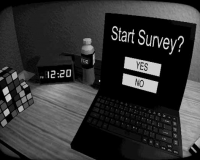
Photomaly is a first-person simulation game focused on operating a small photo studio inherited by the player character. The game places the player inside a single workspace where all actions take place. Progress is built around completing daily tasks related to photography, printing, and studio maintenance. The player is not given extensive instructions and instead learns systems through repeated actions. The structure emphasizes routine, consistency, and attention to process rather than exploration or fast interaction.
Studio Routine
The core of Photomaly is organized around a workday cycle. Customers arrive with specific photo requests, and the player must follow a defined sequence of actions to complete each order. These tasks include preparing equipment, capturing images, and producing final prints. Performance is measured through accuracy and resource management rather than speed. Income earned from completed orders is required to keep the studio functioning, making efficiency a practical requirement for continued progression.
Interaction and Control
All interaction in Photomaly is handled directly through first-person controls. The player moves between stations in the studio and performs tasks manually rather than through menus. As the game progresses, additional systems are introduced that increase the number of steps required for each order. These systems do not replace earlier mechanics but build on them, requiring the player to manage multiple processes at once.
Main interaction elements include:
- taking photographs based on order conditions
- developing film using fixed procedures
- printing and preparing final photo products
- monitoring supply levels and finances
- unlocking equipment upgrades through progress
These elements are interconnected and must be handled in the correct order to avoid workflow disruption.
Narrative Delivery
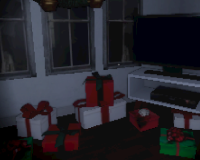
Photomaly presents its narrative indirectly through changes in routine rather than direct storytelling. The studio environment remains mostly consistent, but interruptions and irregular events begin to appear as work continues. These events are integrated into normal tasks instead of being separated into cutscenes. The game provides no explicit explanations, allowing the player to recognize patterns and draw conclusions based on repeated exposure to these disruptions.
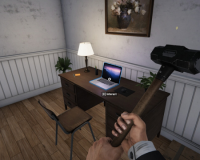
The visual design of Photomaly uses simplified geometry and clear object placement to support interaction. Tools, stations, and pathways inside the studio are easy to distinguish, reducing confusion during complex task sequences. The interface remains minimal throughout the game, with most information communicated through environmental cues. Audio is used selectively to signal task completion or changes in the environment, without constant background elements.




























































Advertisement