Routine begins with the player entering a lunar station where normal operations have ceased without warning. Panels flicker, machinery stands idle, and the absence of staff suggests that evacuation happened suddenly. The game does not tell the player where to go next, relying instead on environmental structure to guide movement. This lack of direct instruction sets an investigative tone from the start. The player must study the state of the rooms, interpret broken systems, and understand how the facility once functioned before continuing deeper inside.
Exploration as the Primary Tool
Movement through the station is intentionally slow and methodical. The player examines residential sectors, loading docks, and maintenance corridors, each presenting different clues about the base’s shutdown. The Cosmonaut Assistance Tool plays an essential role in interacting with unresponsive terminals, accessing locked doors, and analyzing fragments of digital logs. Progress often requires paying attention to subtle cues—displaced objects, damaged panels, or shifts in lighting. Since there are no checkpoints, each decision carries weight, pushing the player to act carefully rather than impulsively.
Fundamental Actions the Player Repeats
Across Routine, advancement is shaped by several recurring tasks:
- Inspecting rooms and hallways for information and pathways
- Using the Cosmonaut Assistance Tool to read and unlock systems
- Gathering evidence from logs and structural clues
- Identifying safe routes through unstable areas
- Avoiding detected threats through stealth and planning
These actions provide structure within the absence of forced objectives.
Encounters With Hostile Systems
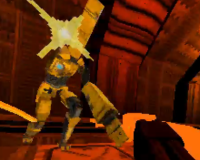
Eventually, the player discovers that the lunar station is not empty. A mechanical threat remains active, responding aggressively when it senses movement or disruption. This entity forces the player to plan routes through sectors with greater caution. Direct resistance is rarely effective, so hiding, retreating, or using environmental cover become the primary means of survival. Even small mistakes can lead to failure, especially without checkpoint recovery. As a result, the player must rely on timing, silence, and awareness to continue moving forward.
Understanding the Path Forward
Routine presents its narrative through small fragments rather than linear storytelling. Terminal messages provide incomplete accounts, while debris and structural damage help the player outline what may have occurred. Each new area adds another piece to the mystery, reinforcing the theme that understanding comes from observation rather than explanation. The deeper the player travels, the more connections emerge between earlier discoveries and current events.



























































Advertisement