Advertisement
Silent Still 3


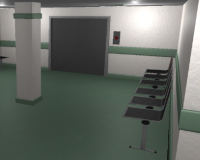
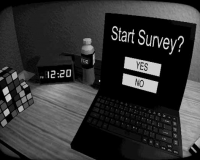
Silent Still 3 is a first-person horror game that focuses on limited space and controlled progression. The player is placed inside an enclosed interior that resembles an ordinary living environment. There are no instructions, visible goals, or interface indicators. From the beginning, the game establishes a slow pace where movement and observation are the only available actions. Progress is not tied to tasks or achievements but to the player’s continued presence within the environment.
Narrative Method
The narrative of Silent Still 3 is presented without dialogue, text, or explicit story markers. Instead of telling a story directly, the game allows meaning to emerge through changes in space and sequence. Familiar rooms may appear unchanged at first, but repetition reveals alterations in layout, lighting, or sound. These changes suggest internal psychological states rather than external events. The game avoids confirmation or explanation, leaving interpretation entirely to the player’s observation and memory.
Interaction and Progression
Player interaction is deliberately minimal and consistent throughout the experience. The player can walk, look around, and pause, but cannot interact with objects in a traditional sense. Environmental progression is triggered by movement patterns, time spent in specific areas, or repeated traversal of the same space. There are no puzzles, inventory systems, or fail conditions. Advancement occurs automatically as the environment shifts.
Core interaction elements include:
- first-person movement within confined interiors
- progression based on timing and repetition
- environmental changes triggered by position
- visual transitions without player prompts
- sound cues that signal state changes
These elements work together to create a structured but opaque progression system.
Environmental Design
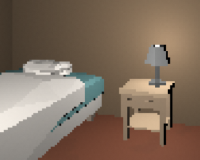
The environments in Silent Still 3 are intentionally restrained. Rooms are simple in layout, with few objects and clear boundaries. This simplicity makes changes more noticeable when they occur. Walls, furniture, and lighting may shift subtly, altering the player’s sense of orientation. The game does not rely on sudden transitions; instead, changes occur gradually, often without immediate acknowledgment. This design reinforces attention to detail rather than reaction.
Audio Structure
Sound plays a functional role in guiding awareness. There is little to no music, and audio consists primarily of ambient noise and environmental sounds. Changes in sound often coincide with spatial transitions, helping signal progression without visual prompts. Silence is used intentionally, allowing the absence of sound to become part of the experience rather than a gap.





























































Advertisement