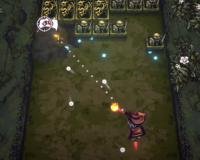
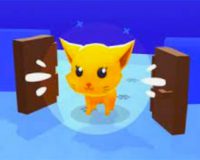
Slap Tower is a reaction-based arcade game built around timing, precision, and risk management. The concept is simple: climb higher by landing slaps at the right moment, but a single mistake can send you back down. There are no long explanations or tutorials — the game teaches everything through trial, failure, and repetition. Its strength lies in how quickly it pulls the player into a rhythm of action and consequence.
Core Mechanics And Player Control
The gameplay revolves around well-timed input. Each action pushes the character upward, but poor timing results in loss of progress. The controls are minimal, yet they demand focus, since every move affects positioning and momentum. Unlike games that allow correction after a mistake, Slap Tower forces commitment. Once you act, the result is immediate, which keeps tension high throughout the session.
Main Gameplay Elements
As the climb continues, several mechanics define how the game feels:
- Timing-based slaps to gain height
- Increasing difficulty with higher levels
- Punishment for mistimed actions
- No checkpoints or safety nets
- Score based on vertical progress
These elements create a loop where improvement depends entirely on consistency and control rather than upgrades or bonuses.
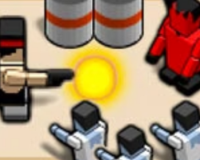
The visual design of Slap Tower is clean and uncluttered. Backgrounds are simple, allowing the player to focus entirely on movement and timing. Animations are clear and exaggerated enough to make success and failure instantly readable. The lack of distractions helps reinforce the game’s core challenge: precise execution under pressure.
Difficulty And Player Progress
The game becomes harder not by adding new mechanics, but by demanding greater precision. Early sections allow room for error, while higher levels require near-perfect timing. Because there are no upgrades or progression systems, improvement comes only from learning patterns and refining reaction speed. This makes success feel earned rather than handed out.
Slap Tower delivers a fast, skill-focused experience built around repetition and mastery. It avoids unnecessary features and keeps its design tightly focused on a single mechanic. The result is a game that feels challenging, direct, and highly replayable. It suits players who enjoy short sessions, clear rules, and the satisfaction that comes from gradual improvement through practice.



















































Advertisement