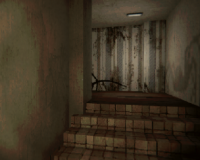
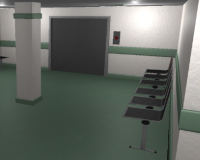
Slay Bells is a survival horror game set during a winter night where the player must cross multiple urban locations while being pursued by a single hostile figure. The experience does not rely on puzzles or complex objectives. Instead, it focuses on constant movement and decision-making under pressure. The player is placed into streets, transit areas, and abandoned spaces that feel open but unsafe, creating a situation where visibility and exposure are always in conflict.
Core Premise and Player Focus
The central goal in Slay Bells is straightforward: keep moving forward and avoid being caught. There is no detailed introduction explaining events, which pushes the player to understand the situation through action. The character is vulnerable at all times, and hesitation can quickly lead to failure. This structure removes distractions and keeps attention on positioning, timing, and awareness of surroundings rather than story exposition.
Threat Design and Risk Management
The enemy functions as a roaming threat that pressures the player to keep relocating. Encounters are rarely fair, and direct confrontation is discouraged. Items that can be found offer limited assistance, usually allowing brief escapes instead of permanent safety. Because the threat does not disappear, players must constantly adjust routes and avoid patterns that make movement predictable.
During the central gameplay loop, players repeatedly engage with:
- navigating streets with limited cover
- monitoring distance from the pursuer
- using temporary tools to escape danger
- choosing when to run or slow down
- avoiding dead ends and narrow traps
Environment Structure and Movement Choices
The environments are built to test navigation under stress. Open areas offer room to move but little protection, while narrow spaces restrict escape options. The player must learn which paths are safer depending on distance and timing. Movement feels deliberate, as stopping too long or choosing the wrong direction can close off escape routes. The city layout encourages memorization and adaptation rather than exploration for rewards.
Slay Bells maintains tension through consistency rather than escalation. The threat remains present throughout the game, and the player never gains power that shifts control in their favor. Success comes from understanding space, reacting quickly, and minimizing exposure. There are no branching endings or upgrade systems that change gameplay rules. Replay value comes from improving route choices and reducing mistakes. The game delivers a focused survival experience where progress is defined by movement discipline and spatial judgment rather than combat, inventory systems, or narrative complexity.































































Advertisement