Slow Damage is a visual novel that approaches horror through psychology, character tension, and atmosphere rather than direct scares. The story unfolds at a measured pace, placing the player inside a bleak urban setting where violence and emotional instability are always present but rarely shown openly. From the beginning, the game establishes a heavy mood, focusing on internal conflict and distorted perception rather than action or suspense-driven gameplay.
Narrative Focus And Character Perspective
The story follows a protagonist whose life is shaped by trauma, detachment, and a constant struggle to understand both himself and the people around him. Instead of presenting events in a clear or linear way, the game slowly reveals information through dialogue, inner monologue, and fragmented scenes. The player is often left to interpret intentions and meanings without clear confirmation, which strengthens the sense of unease. Relationships play a major role, and interactions often feel uncomfortable or morally ambiguous.
Core Gameplay Structure
Slow Damage uses traditional visual novel mechanics, but its structure emphasizes emotional weight rather than choice quantity:
- Reading dialogue and inner thoughts
- Making limited but meaningful decisions
- Exploring different narrative routes
- Observing character reactions and changes
- Unlocking scenes based on previous actions
Choices rarely feel neutral, and even small decisions can influence how events unfold. Progress is slow and deliberate, encouraging careful attention to detail rather than quick advancement.
Atmosphere And Artistic Direction
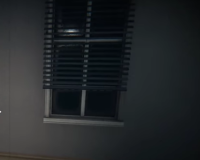
The visual style of the game reinforces its psychological tone. Environments are grounded and realistic, often feeling empty or oppressive. Character expressions are subtle, relying on posture and eye movement rather than exaggerated emotion. Sound design plays a quiet but important role, using silence and low ambient noise to maintain tension. The overall presentation avoids shock value and instead builds discomfort through consistency and restraint.
Themes And Emotional Weight
Slow Damage explores themes of control, trauma, identity, and dependency. The horror does not come from monsters or violence alone, but from human behavior and emotional damage. Relationships feel fragile, and trust is often uncertain. This makes the experience more unsettling over time, as the player becomes more aware of the psychological cost carried by each character.



















































Advertisement