Advertisement
Street Life Flash Game


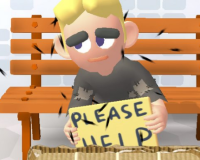
Street Life is a browser-based simulation game that focuses on survival and decision-making in an urban environment. The player starts with nothing and must slowly build a stable life by making choices that affect health, income, and reputation. The game does not rely on fast action or reflexes. Instead, it challenges the player to think ahead, manage limited resources, and adapt to changing situations over time.
Life Management And Core Progression
The main objective in Street Life is to survive and improve living conditions through daily decisions. Players choose how to spend money, where to work, and how to manage personal needs such as food, energy, and housing. Every action has a consequence, and poor planning can quickly lead to failure. Progress feels gradual, which reinforces the idea that stability is earned rather than given.
Key Systems And Gameplay Elements
As the game unfolds, several systems shape the overall experience:
- Earning money through jobs or activities
- Managing hunger, health, and energy
- Improving living conditions over time
- Making moral or risky choices for faster progress
- Responding to random events that affect status
These mechanics work together to create a loop where short-term gains often conflict with long-term stability. The player must constantly balance survival against improvement.
Atmosphere And Visual Style
Street Life uses a simple visual presentation that keeps attention on decision-making rather than graphics. The interface is straightforward, allowing players to quickly understand their current situation. Text and icons communicate most of the information, making the experience more strategic than visual. This minimalist style supports the theme of realism and struggle without unnecessary distractions.
Difficulty And Player Learning Curve
The game becomes more demanding as time passes. Early mistakes may seem small, but their impact grows later on. There are no tutorials explaining optimal strategies, so players learn through trial and error. This creates a sense of tension, as one poor decision can undo hours of progress. At the same time, success feels rewarding because it comes from understanding the system rather than luck.





























































Advertisement