Advertisement
STUPIDELLA HORROR


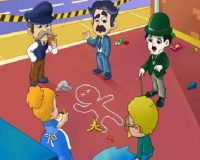
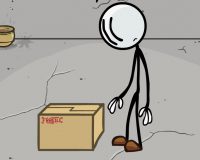
Stupidella Horror is a short puzzle game that uses horror themes as a framework for unexpected interaction. Instead of building tension through atmosphere or story, the game relies on surprise and rule-breaking logic. Each level presents a frozen moment where something is clearly wrong, but the solution is rarely tied to realism. The player advances not by solving logical problems, but by accepting that the game operates on its own internal rules.
Unpredictable Logic and Player Expectations
One of the defining traits of Stupidella Horror is how it challenges player expectations. Objects that appear dangerous may be harmless, while background elements can unexpectedly determine success. The game actively works against conventional puzzle instincts, forcing players to abandon assumptions about cause and effect. Progress often comes from doing something that feels incorrect rather than sensible, which reframes how the player approaches each new scene.
Failure as a Design Tool
Failure in Stupidella Horror is frequent and intentional. Scenes reset quickly, and the game does not attempt to soften incorrect choices. Instead of presenting failure as a setback, it treats it as feedback. Each reset communicates what does not work, narrowing down possibilities. Because retries are instant, the player is encouraged to experiment freely without fear of losing progress or time.
At the midpoint of the game, the player regularly interacts with:
- scenes built around misleading visual cues
- interactions that contradict common logic
- rapid resets used as feedback
- single-solution challenges with unclear rules
- progression based on elimination of wrong actions
Tone and Presentation Style
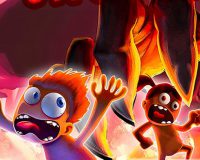
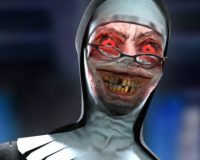
The game blends horror imagery with exaggerated reactions that feel deliberately abrupt. Visuals often shift suddenly, replacing tension with confusion or surprise. This creates a rhythm where the player is never fully settled into one emotional state. Sound effects reinforce this pacing, cutting in sharply and ending just as quickly. The presentation avoids buildup, instead relying on immediate contrast between expectation and outcome.
Stupidella Horror is designed to keep the player mentally flexible rather than focused. There is no benefit to overthinking or planning ahead, as each scene resets the rules. Completion depends on adaptability and willingness to try unlikely interactions. Replay value does not come from mastery of mechanics, but from familiarity with how the game thinks. By constantly changing logic and tone, the game offers a puzzle experience driven by disruption rather than consistency, making progress less about skill and more about letting go of assumptions.










































Advertisement