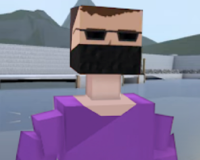
The Fields presents a short narrative experience that begins with the player left alone in a remote area after missing the last bus home. From the opening scene, there is no clear instruction or objective, and progress depends on moving forward and reacting to what appears along the way. The game relies on atmosphere and context rather than systems or challenges, placing the player in a situation where choices feel personal rather than mechanical.
Player Position And Narrative Setup
The player’s role is observational and reactive. Events unfold through brief interactions and dialogue prompts that appear as the environment is explored. The story does not follow a traditional structure with clear milestones, instead advancing through moments of decision. Each interaction asks the player to interpret intent and risk without guidance, making attention and judgment central to how the experience develops.
Environment And Movement Design
Movement is limited to simple traversal across open and semi-open spaces. There are no maps, objectives, or directional markers to follow. The environment acts as a transitional space where narrative moments occur rather than as a location for exploration in a traditional sense. Interaction is restricted to what is necessary to move the story forward, keeping focus on pacing and anticipation.
During a standard playthrough, progression consistently relies on a small set of actions:
- walking through open areas
- triggering narrative events
- selecting dialogue responses
- making decisions that affect later scenes
These actions define the entire gameplay loop without introducing additional mechanics.
Choice Consequences And Endings
Decisions made throughout the game influence which ending the player reaches. Outcomes are not framed as rewards or failures, but as different conclusions shaped by earlier behavior. The connection between choice and result is not always immediate, encouraging reflection after completion. Replay allows players to explore alternative paths and better understand how decisions affect the overall narrative.
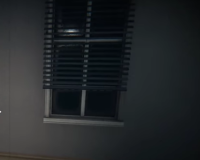
The visual presentation uses a restrained style that limits detail and clarity. This approach supports uncertainty and keeps attention on movement and dialogue rather than scenery. Sound design is minimal, relying on ambient noise to reinforce isolation. The interface avoids overlays and unnecessary prompts, allowing the environment and narrative to guide progression naturally.





























































Advertisement