Advertisement
Twilight Observer


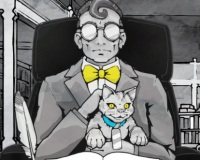
Twilight Observer is a narrative game structured around repeated cycles and accumulated knowledge. The player is placed inside a mansion together with a fixed group of characters and is forced to relive the same sequence of events multiple times. At the beginning, the situation appears static, with limited information available. Progress does not come from changing locations or unlocking mechanics, but from understanding how events relate to one another across repeated loops.
Loop and Information Retention
The central mechanic of Twilight Observer is the time loop, which resets events while allowing the player to retain memory of previous cycles. Each loop follows a similar structure, but player decisions influence which conversations and situations become accessible. Information gathered in earlier cycles becomes essential in later ones, turning repetition into a method of investigation rather than redundancy. One character appears to share awareness of the loop, providing a reference point that connects separate cycles into a continuous narrative thread.
Dialogue and Player Agency
Interaction in Twilight Observer is primarily dialogue-based. The player engages in conversations, makes choices, and observes how characters react over time. Decisions are often subtle, and their impact may not be immediately visible. Instead of presenting clear success or failure states, the game encourages experimentation and careful listening. Understanding character motivations and inconsistencies is more important than selecting specific outcomes.
Key interaction features include:
- repeated dialogue with the same group of characters
- choices that influence future loops rather than immediate results
- retention of information between cycles
- identification of behavioral patterns and contradictions
- gradual unlocking of new narrative paths
These elements support a gameplay loop driven by reasoning and memory.
Fixed Setting and Repetition
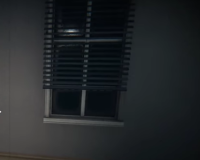
The mansion serves as a stable environment throughout the game. Its rooms and layout remain consistent, allowing the player to focus on narrative changes rather than navigation. This consistency makes deviations in events or dialogue easier to notice. Locations gain meaning through repeated visits, as the player associates them with specific incidents or revelations. The setting does not evolve visually, but its narrative role deepens as understanding grows.
Progress Without Traditional Systems
Twilight Observer does not rely on levels, statistics, or collectible items. Progress is measured entirely by narrative access and comprehension. Reaching an unfavorable outcome is not a failure but part of the learning process, as each loop provides additional context. Advancement requires applying previously learned information in new ways, rather than optimizing performance or resources.






























































Advertisement