Unwanted Visit is a short first-person horror game built around isolation and anticipation rather than action. The player is placed in a winter setting during a holiday night, with no explanation of what is expected or why they are there. From the opening moments, the experience relies on silence, distance, and limited visibility to establish uncertainty. Progress is tied entirely to moving forward and observing how the environment subtly reacts, creating tension without relying on complex mechanics.
Perspective and Player Limitation
The game is experienced entirely from a first-person view, which restricts information to what is directly in front of the player. Controls are minimal and include basic movement and camera rotation, with no combat or inventory systems. This limitation reinforces vulnerability, as the player has no tools to influence events. Interaction is indirect, and most progression happens simply by being present in the right place at the right time. The lack of explicit goals encourages attention to surroundings rather than task completion.
Environmental Storytelling and Atmosphere
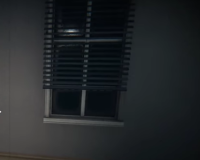
Unwanted Visit communicates its narrative almost entirely through environment and sound. The winter landscape feels empty, but that emptiness is gradually disrupted by small changes that signal escalation. Visual details remain restrained, allowing the player to notice when something is out of place. Audio cues are sparse and deliberate, often appearing without immediate visual context. This approach places emphasis on listening and waiting rather than reacting.
In the middle of the experience, the player repeatedly encounters:
- slow movement through open outdoor spaces
- changes in ambient sound and silence
- distant visual hints that suggest presence
- scripted moments triggered by location
- pauses that separate key events
Event Flow and Pacing
The structure of Unwanted Visit is linear and carefully paced. Events occur in a fixed order and cannot be skipped or altered. There are no branching paths or optional interactions, which keeps the experience focused. The pacing allows tension to accumulate gradually, using downtime between events to build expectation. When changes occur, they are brief but impactful, reinforcing earlier buildup rather than overwhelming the player.
Unwanted Visit is designed to be completed in a single short session, making it accessible while remaining focused. There are no alternate endings or progression systems that change gameplay. Replay value comes from recognizing patterns and understanding how timing and movement influence events. The game prioritizes restraint, using minimal interaction and a controlled sequence to create unease. By limiting player agency and relying on environment-driven cues, it delivers a compact horror experience centered on awareness, patience, and interpretation rather than mechanical challenge.














































Advertisement