Advertisement
Whack Your Neighbor


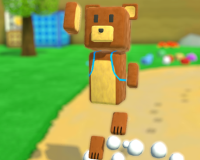
Whack Your Neighbor is an interactive browser game focused on exploration within a single, fixed environment. The player is placed into a familiar suburban setting and given full freedom to interact with objects scattered across the scene. There are no instructions or narrative explanations guiding the experience. Instead, the game relies on curiosity, encouraging players to click, test, and observe how the environment reacts to different actions.
Single-Screen Design And Player Freedom
The entire experience takes place on one screen, which functions as both the playground and the puzzle. Every visible object may be interactive, but not all interactions are obvious at first glance. Some elements respond instantly, while others remain inactive until specific conditions are met. Because there are no consequences for failed attempts, players are free to experiment without restriction. This design removes pressure and shifts focus entirely onto exploration.
Interaction Logic And Discovery Flow
The main objective in Whack Your Neighbor is to uncover every possible interaction hidden in the scene. Each successful discovery triggers a unique animated sequence. Some interactions are straightforward, while others require patience or repeated testing. In the middle of a play session, players often concentrate on identifying different interaction patterns, such as:
- objects that react only after previous actions
- hidden hotspots without visual indicators
- items that change behavior after use
- interactions dependent on click order
- background elements that appear decorative but are active
Recognizing these patterns helps players systematically explore the scene.
Visual Feedback And Animation Sequences
Every interaction is rewarded with a short animation that clearly shows cause and effect. The animation style is exaggerated and stylized, keeping the tone separate from realism. Movements and sound effects are designed to make each outcome distinct, allowing players to remember which interactions they have already discovered. This feedback loop makes progress easy to track without using menus or counters.
Replay Structure And Completion Motivation
Replayability is built directly into the game’s structure. Since all interactions must be discovered manually, most players will replay the game several times to reach full completion. The static environment means there is no randomness, so progress depends entirely on player attention. Completion becomes a personal challenge rather than a competitive goal, driven by the desire to uncover everything the scene contains.





















































Advertisement