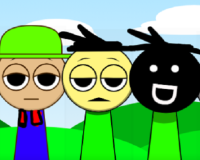
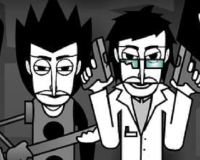
Morning arrives, but the protagonist of WHODUNNIT cannot clearly remember what happened the night before. After attending a party, Howie wakes up with only fragments of memory. One important detail remains missing: he cannot recall the identity of the person he spent part of the night with. Determined to understand the situation, he begins speaking with people who were present at the event. The player helps guide this investigation by collecting information and gradually reconstructing the sequence of events.
Reconstructing The Timeline
The story of WHODUNNIT unfolds through conversations with characters who attended the party. Each person remembers different details about the night, and some accounts may contradict others. Because of this, the investigation becomes a process of comparing statements and identifying reliable information.
As players gather clues, they begin to piece together the timeline of the evening. Locations visited during the party, interactions between characters, and small incidents that occurred during the night all become part of the puzzle. Step by step, these fragments help clarify what actually happened before the protagonist lost track of events.
Dialogue-Driven Gameplay
The gameplay structure of WHODUNNIT is based on dialogue and exploration. Players interact with characters, examine locations, and choose responses during conversations. Progress depends on gathering enough information to unlock new topics and questions.
During the investigation, players typically perform actions such as:
- speaking with friends and acquaintances from the party
- visiting locations connected to the events of the night
- selecting dialogue options during conversations
- collecting clues that reveal additional details
- connecting pieces of information to build a timeline
These mechanics allow the player to control how the investigation develops.
Character Perspectives
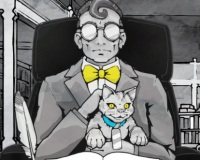
Every character encountered in WHODUNNIT offers their own perspective on what happened. Some may remember specific events clearly, while others might avoid certain topics or provide incomplete answers. Because the story is told through these conversations, the player must decide which information is useful and how it fits into the larger narrative.
As more details become available, the relationships between characters and the circumstances of the party become clearer. Different pieces of dialogue gradually reveal connections that were not obvious at the beginning of the investigation.

































































Advertisement